ROLE
Product Designer
PLATFORM
Mobile App
Introduction
This case study covers my work as a Product Designer at ALT, an early-stage fashion discovery app. My role was to shape the front door of online fashion shopping, which is how users first arrive, make sense of the product, and start exploring. During this I teamed up with founders, a product associate, and developers.
Being part of a small team, I had to constantly consider trade-offs when designing, keeping experiences straightforward, adaptable, and simple to expand upon. Additionally, I really enjoyed working in a new space like fashion discovery, particularly when it came to overcoming ambiguity and determining early product direction.
HIGHLIGHT
Onboarding
Animations were used to demonstrate how users can express intent, how results adapt to them, and how ALT consolidates discovery across brands, sizes, and prices.
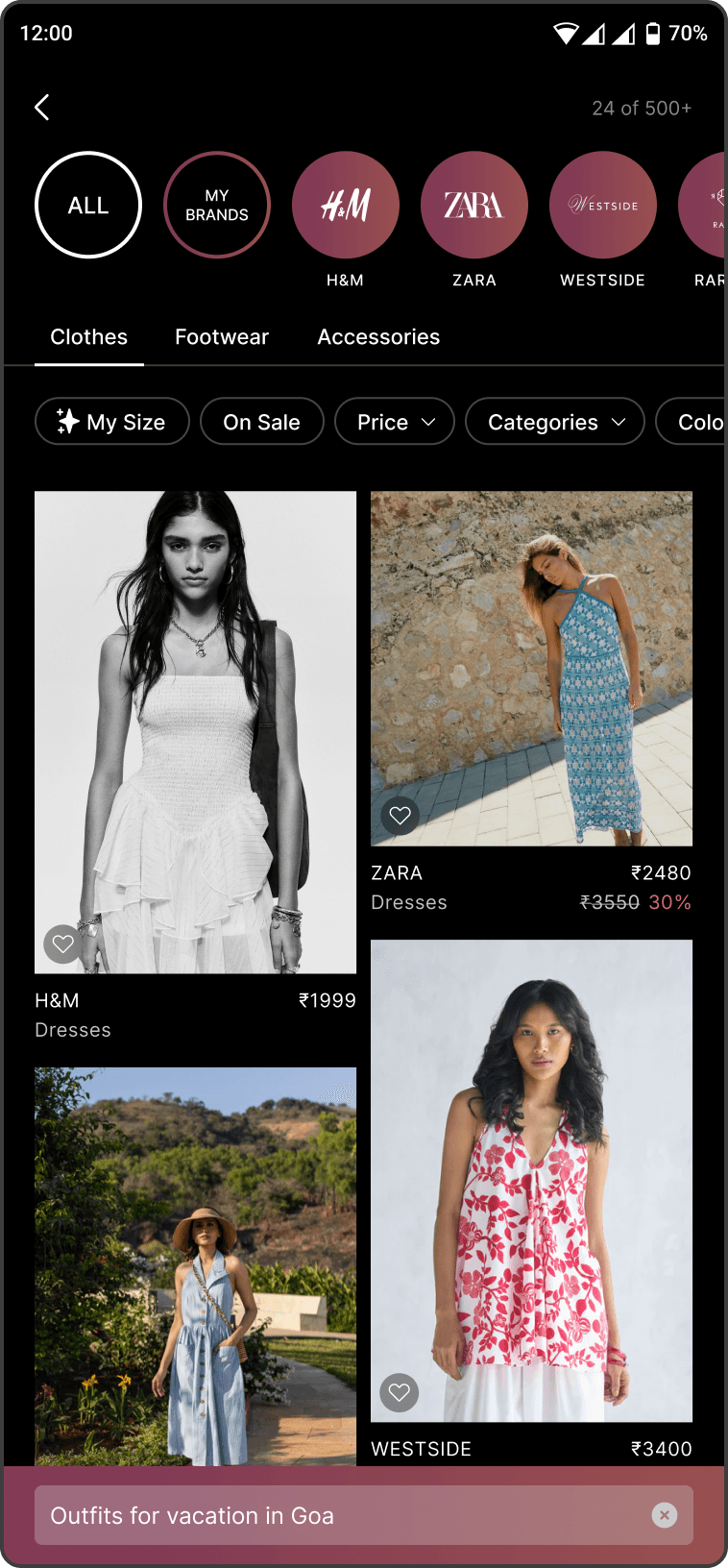
Resolving intent, not loading results
Loading state is designed to communicate to the users that results are being curated in real time by considering context, preferences, size, and price
Supporting confident decisions
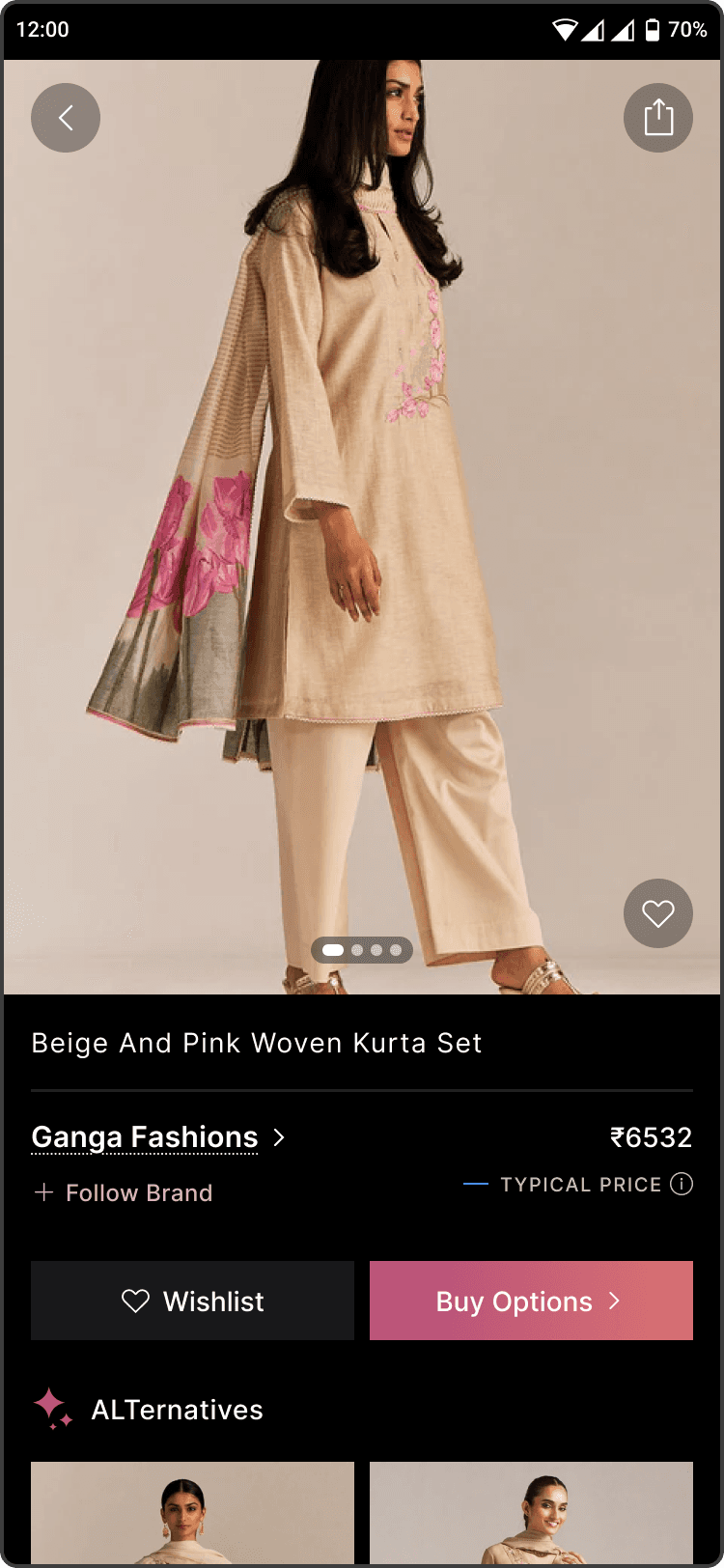
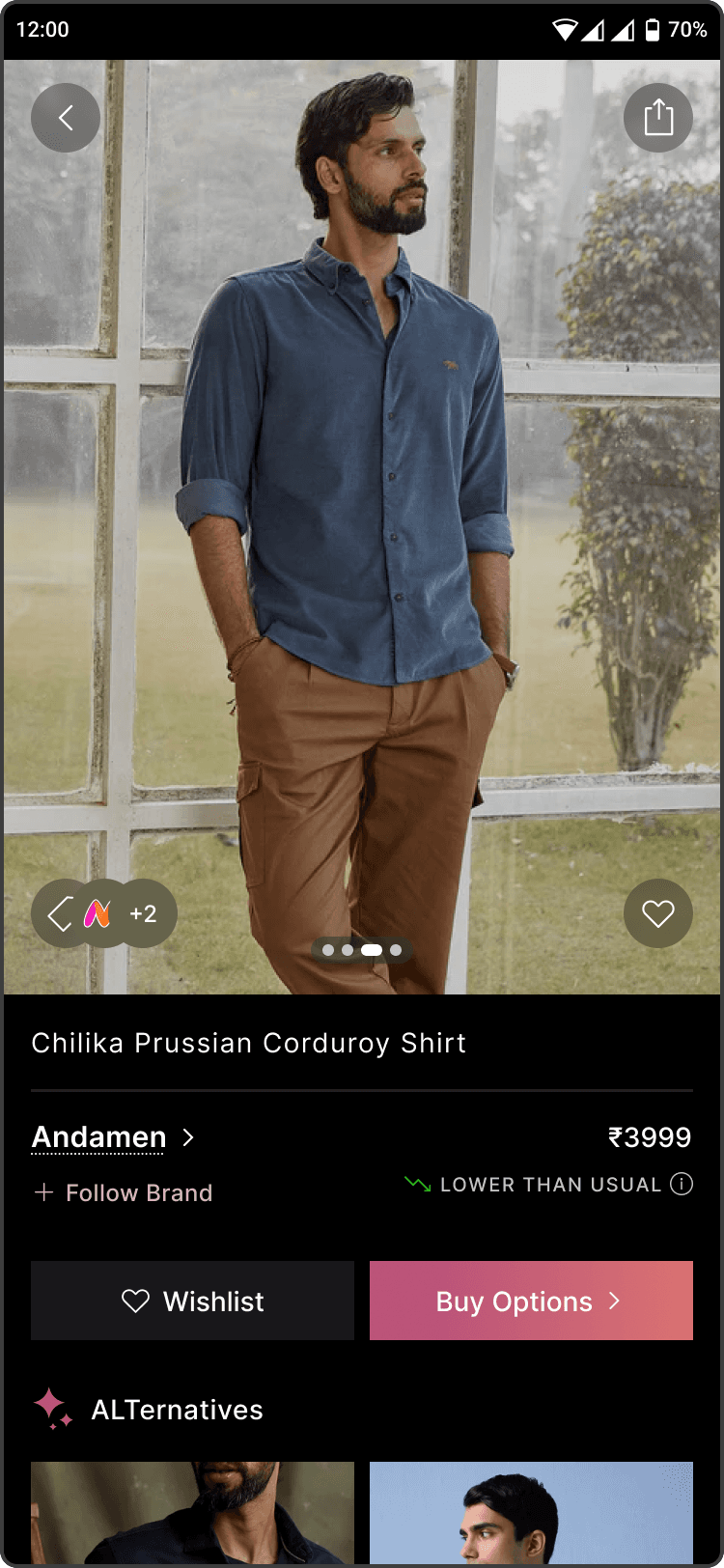
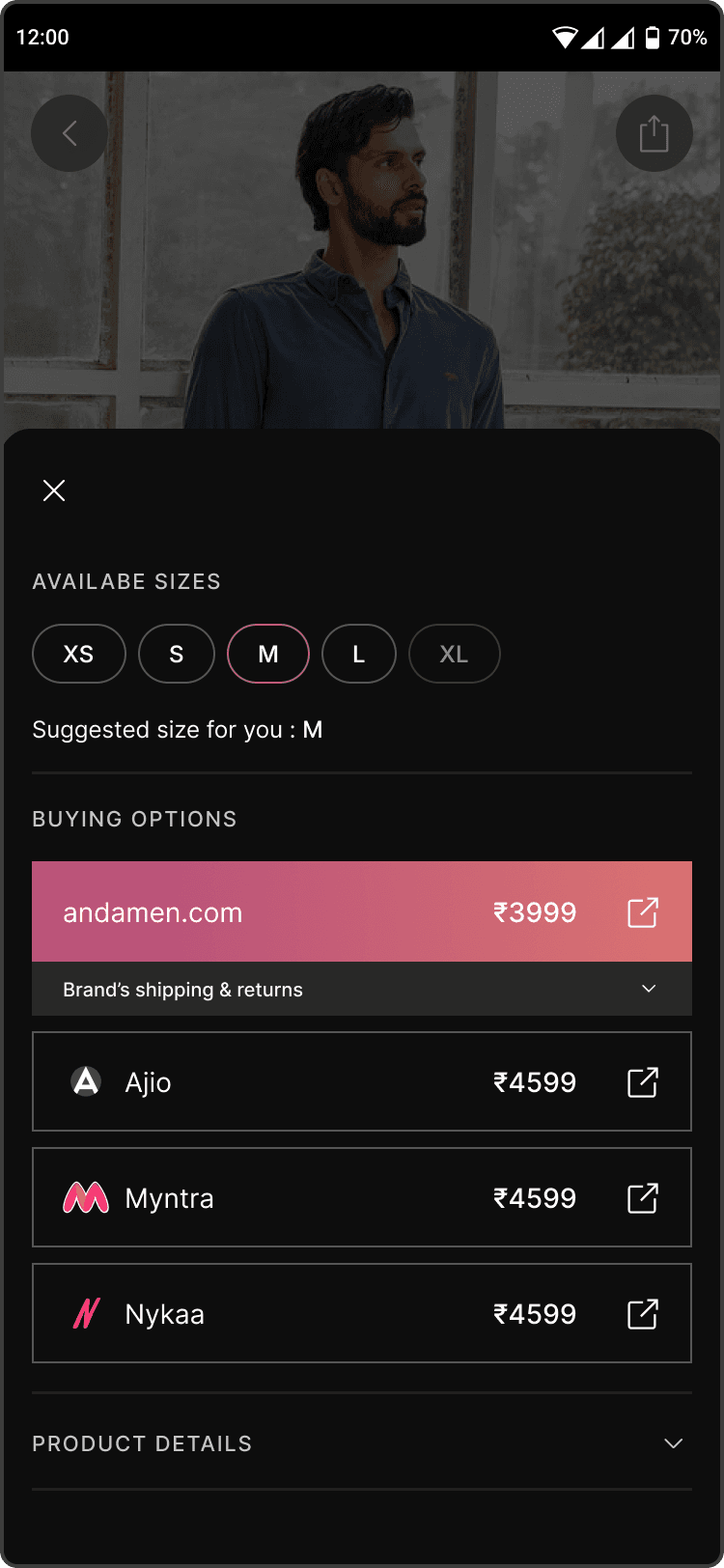
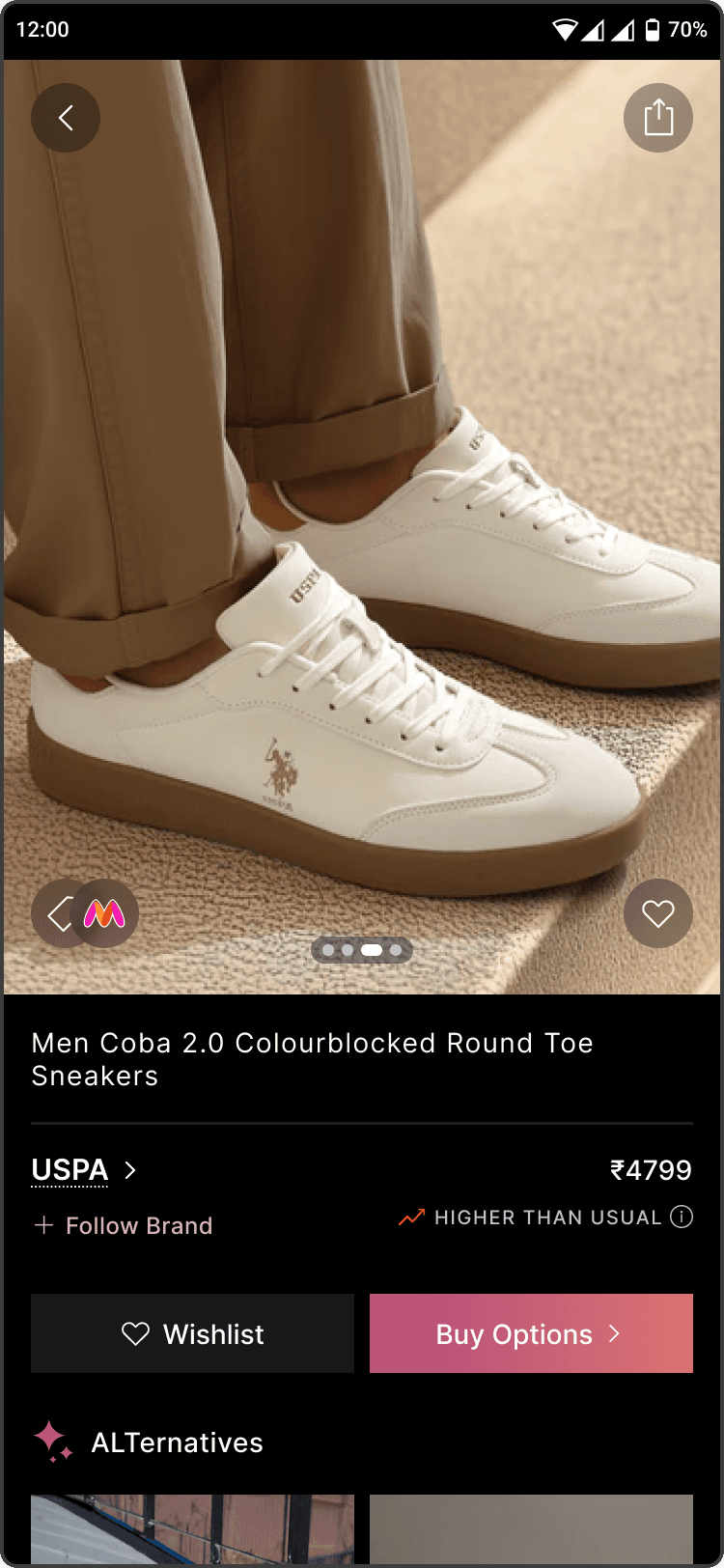
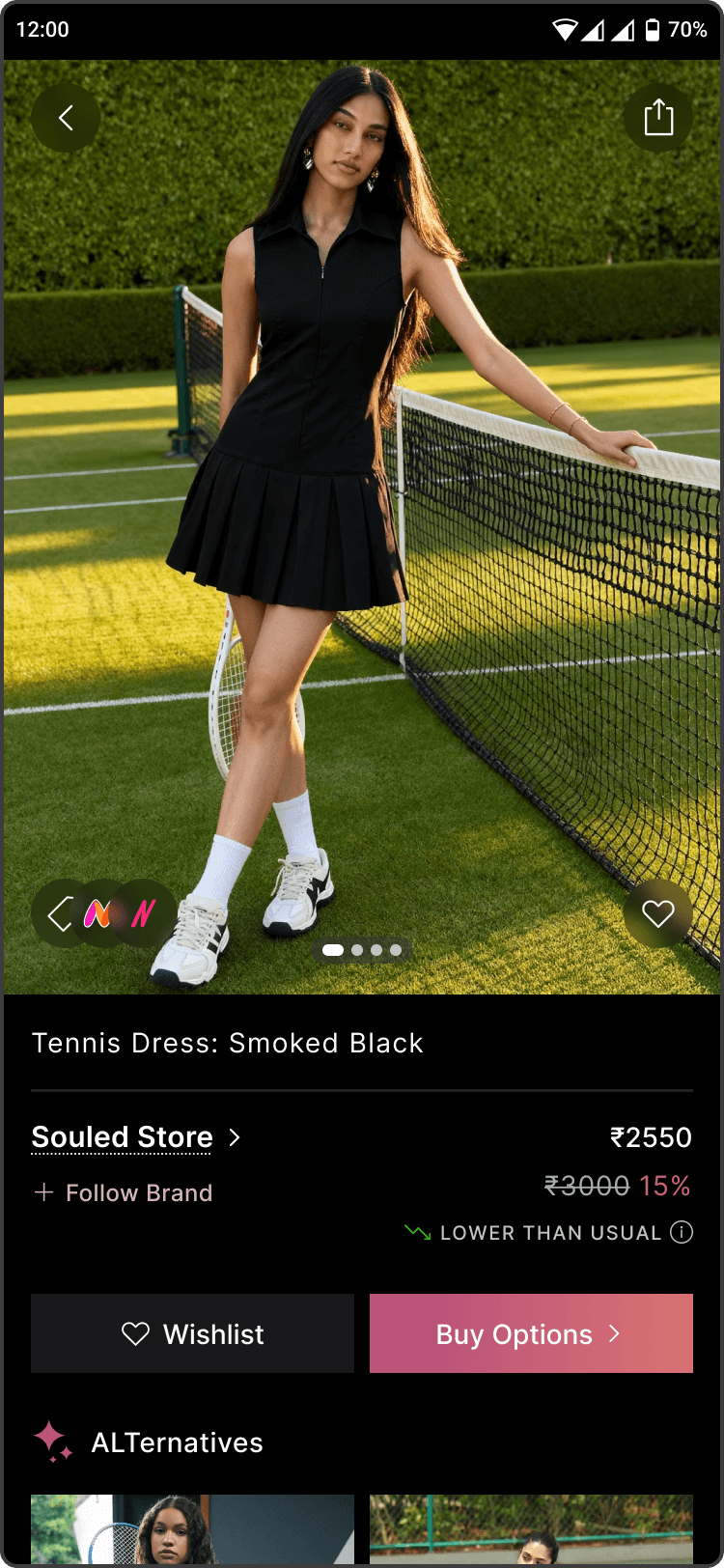
The Product Detail Page(PDP) focuses on helping users decide, rather than pushing them to buy. Size suggestions, price comparison, and price history are shown together so users can feel more confident about fit and value before moving forward.
Brand Discovery
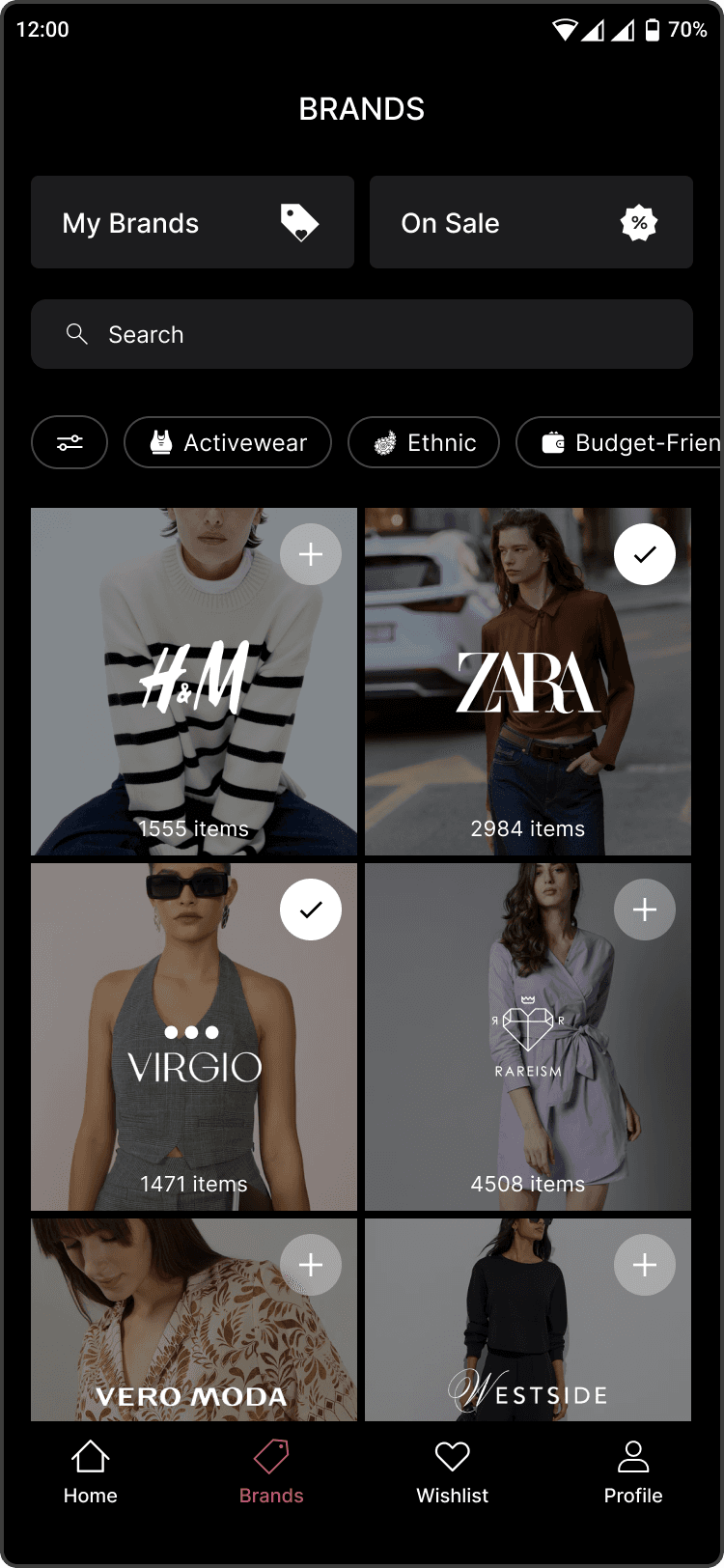
The Brands page is designed to make fashion discovery feel open rather than platform-driven. It brings together high-street and homegrown brands in one place, helping users explore alternatives without being limited to familiar names.
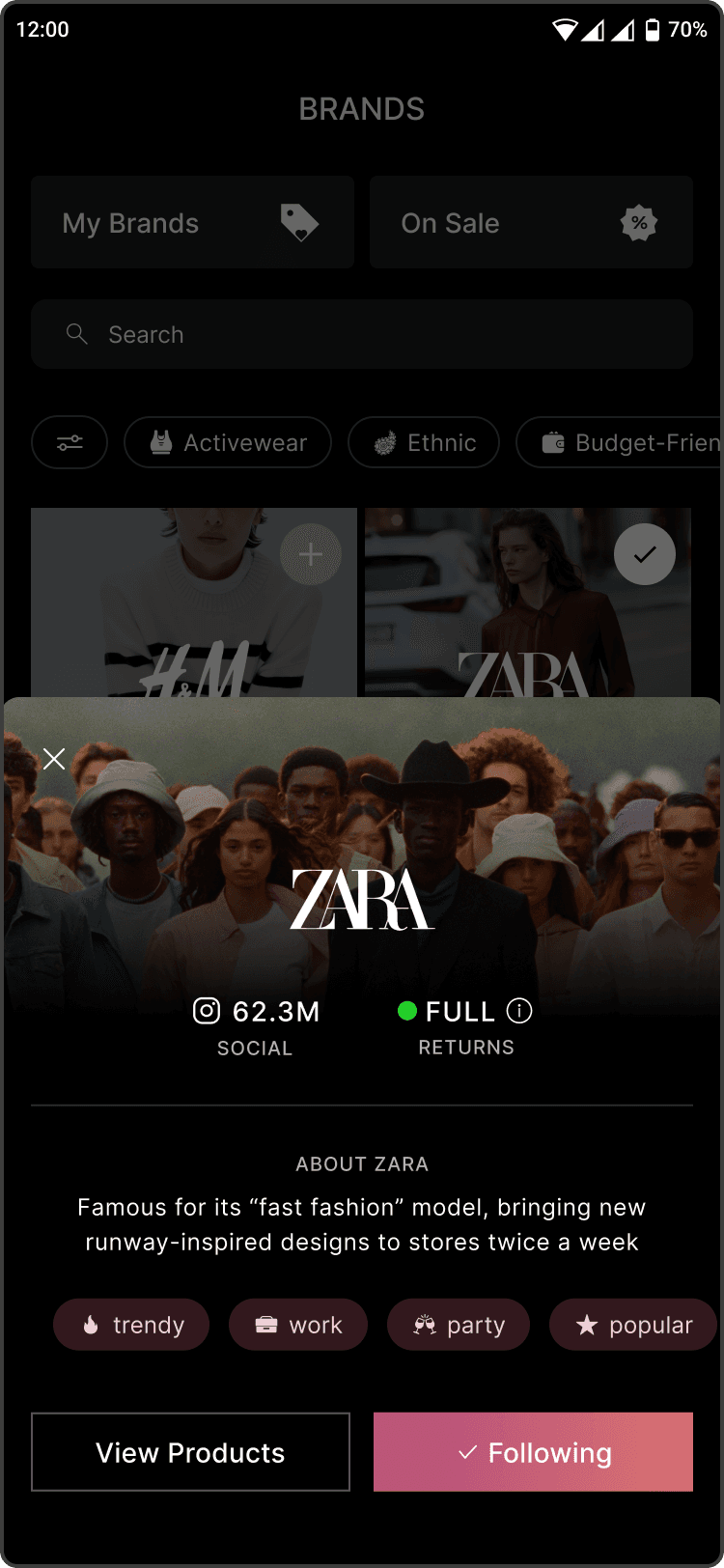
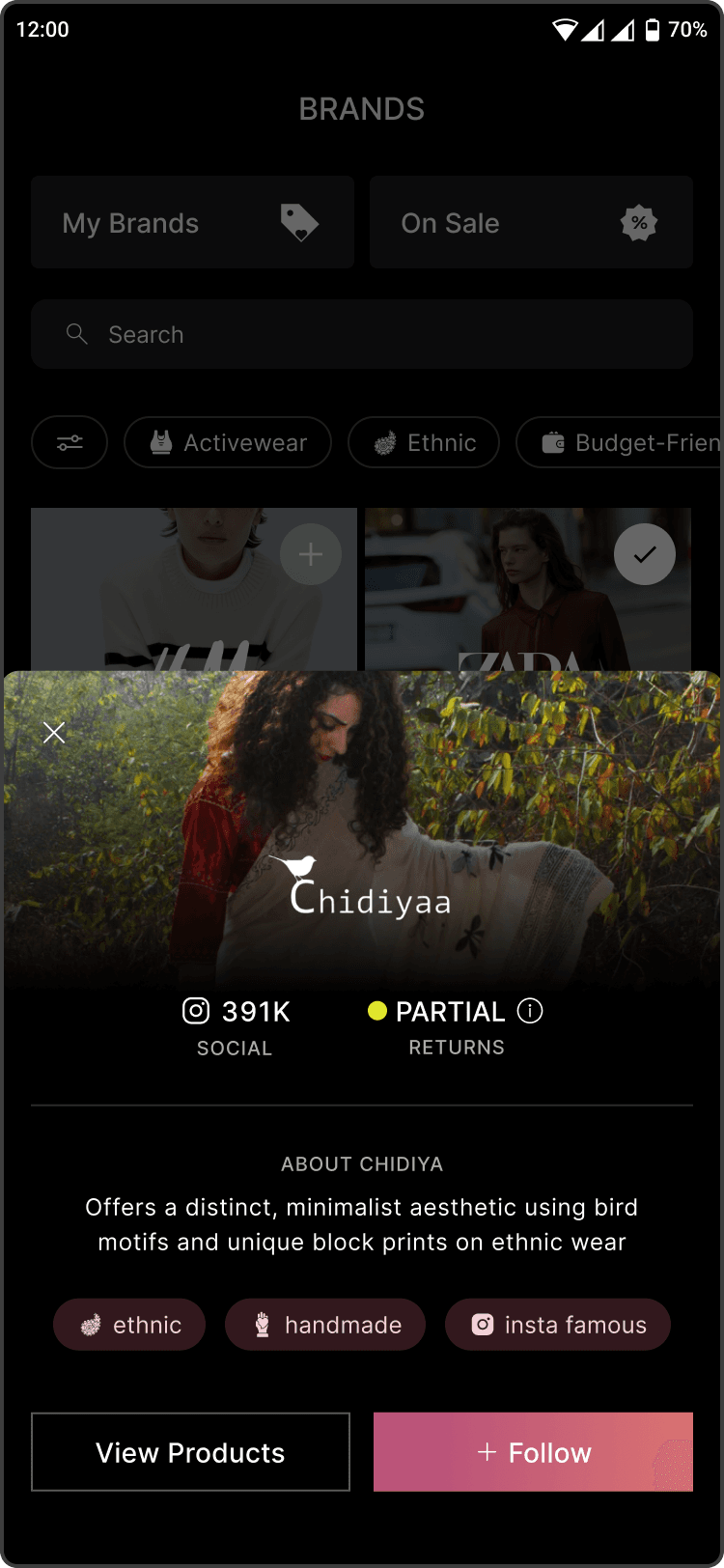
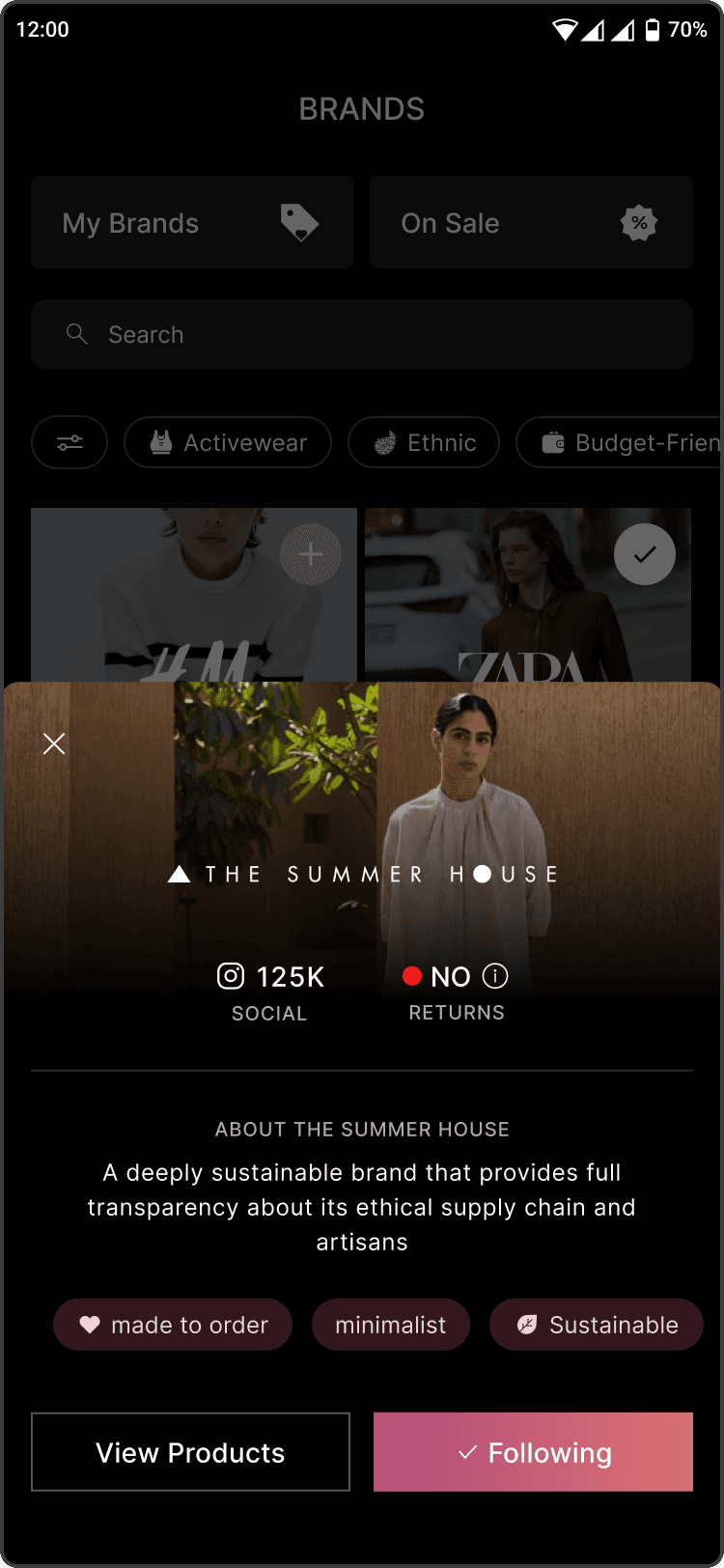
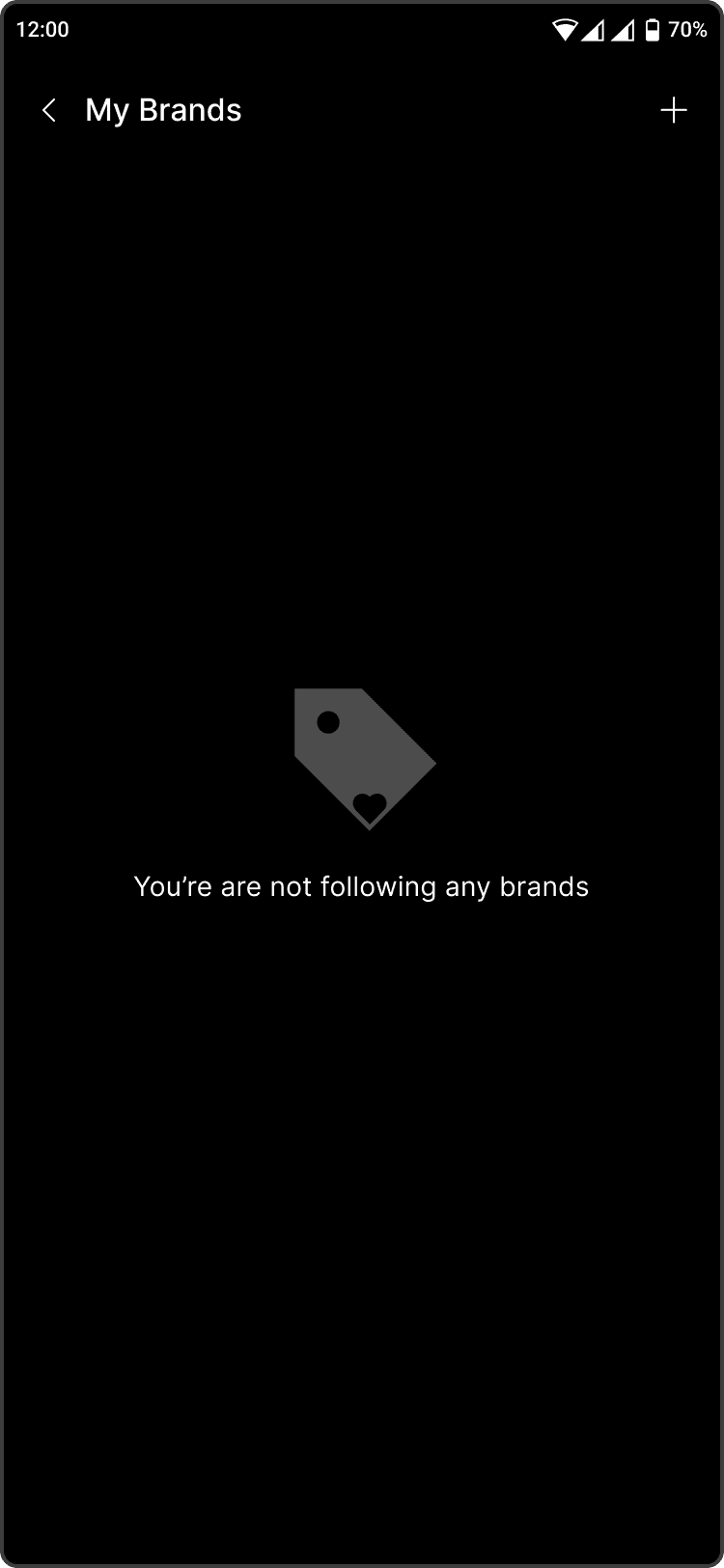
The brand bottom sheet provides quick context before users explore further. It displays the brand’s return policy, a short description, and relevant tags to help users understand what the brand stands for and whether it aligns with their preferences.
Wishlist and Collections
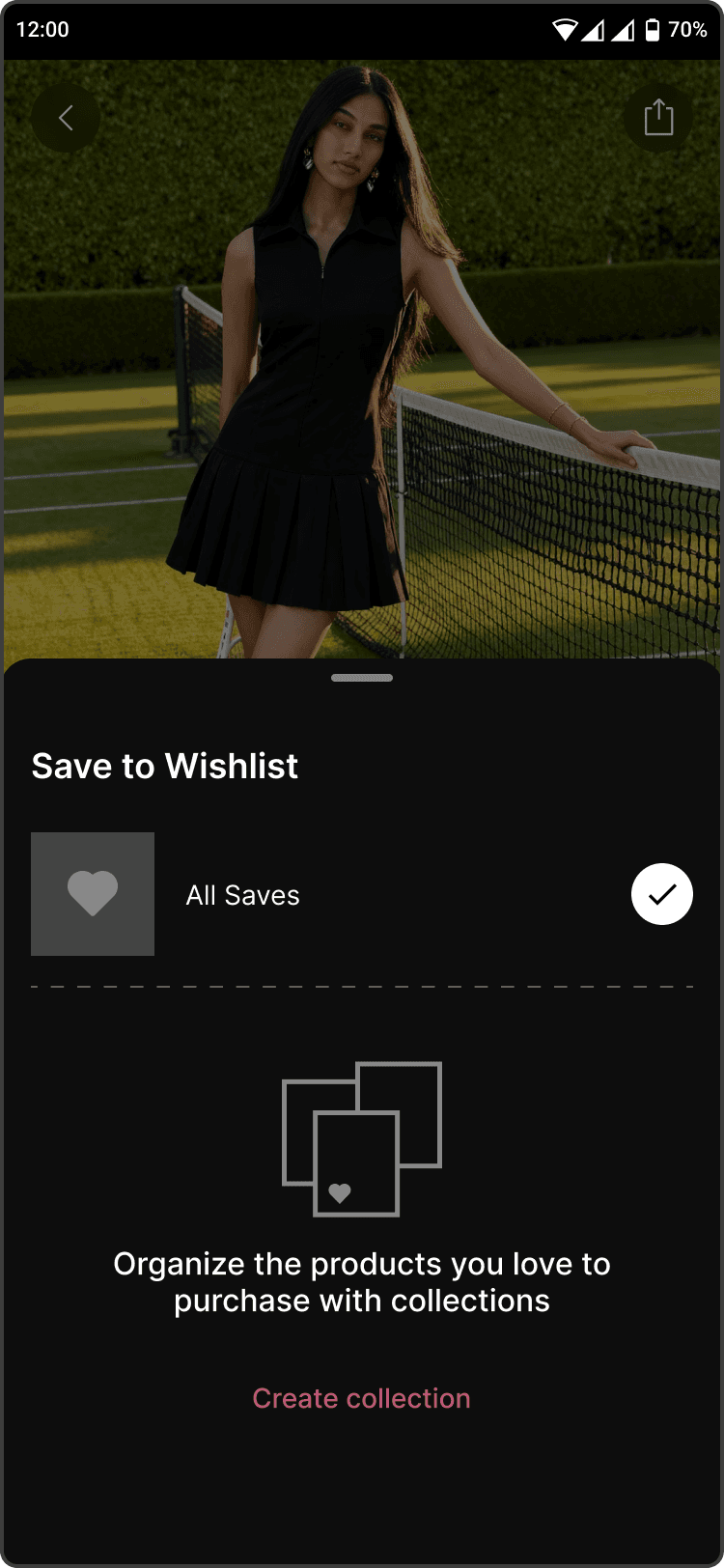
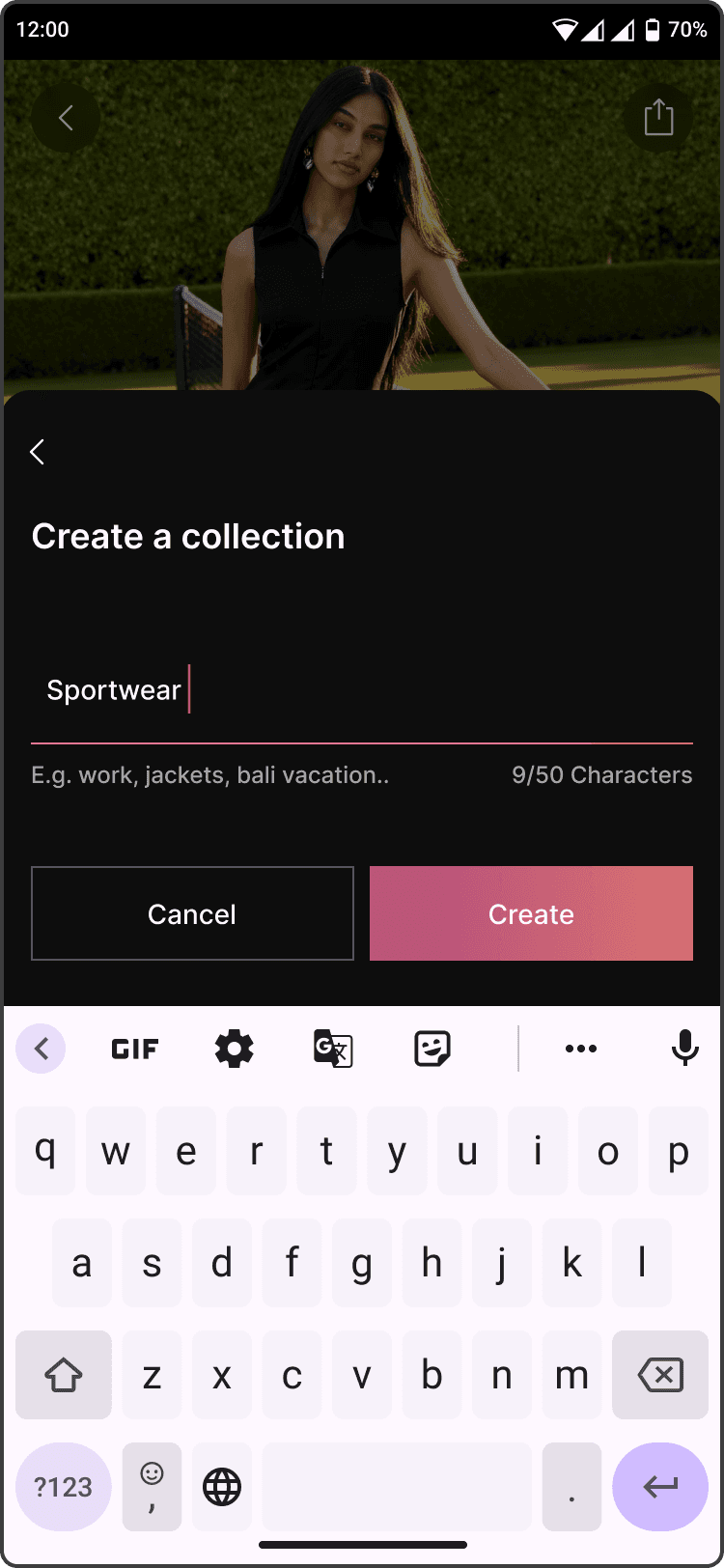
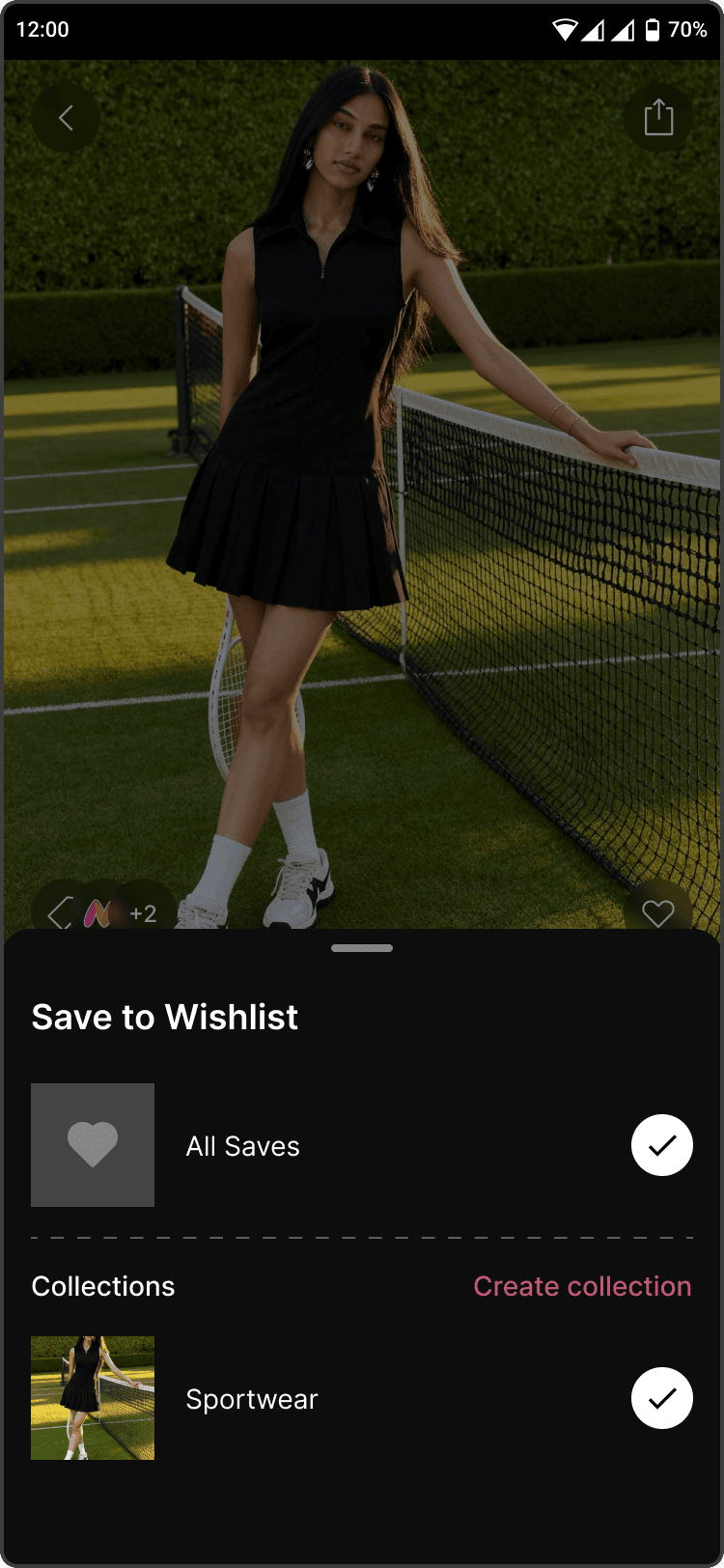
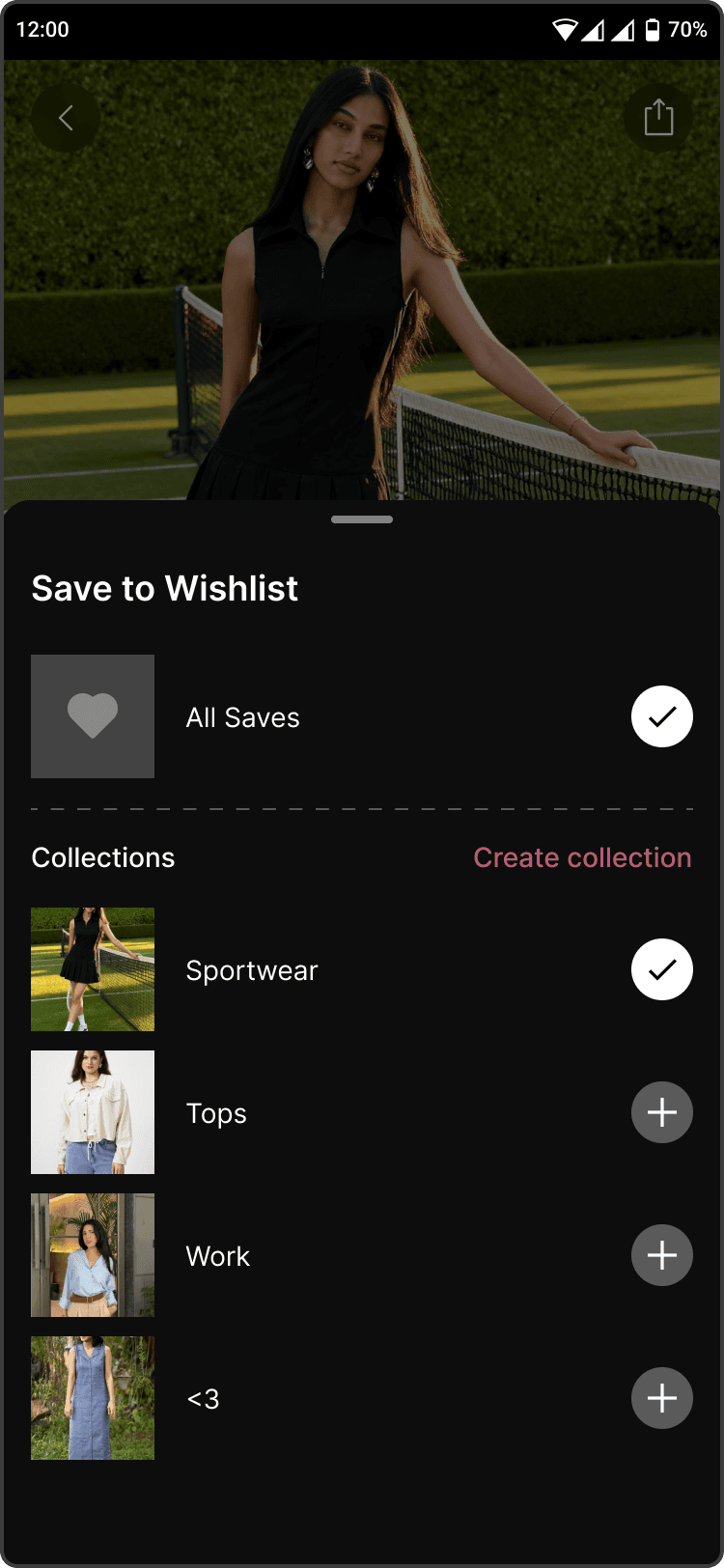
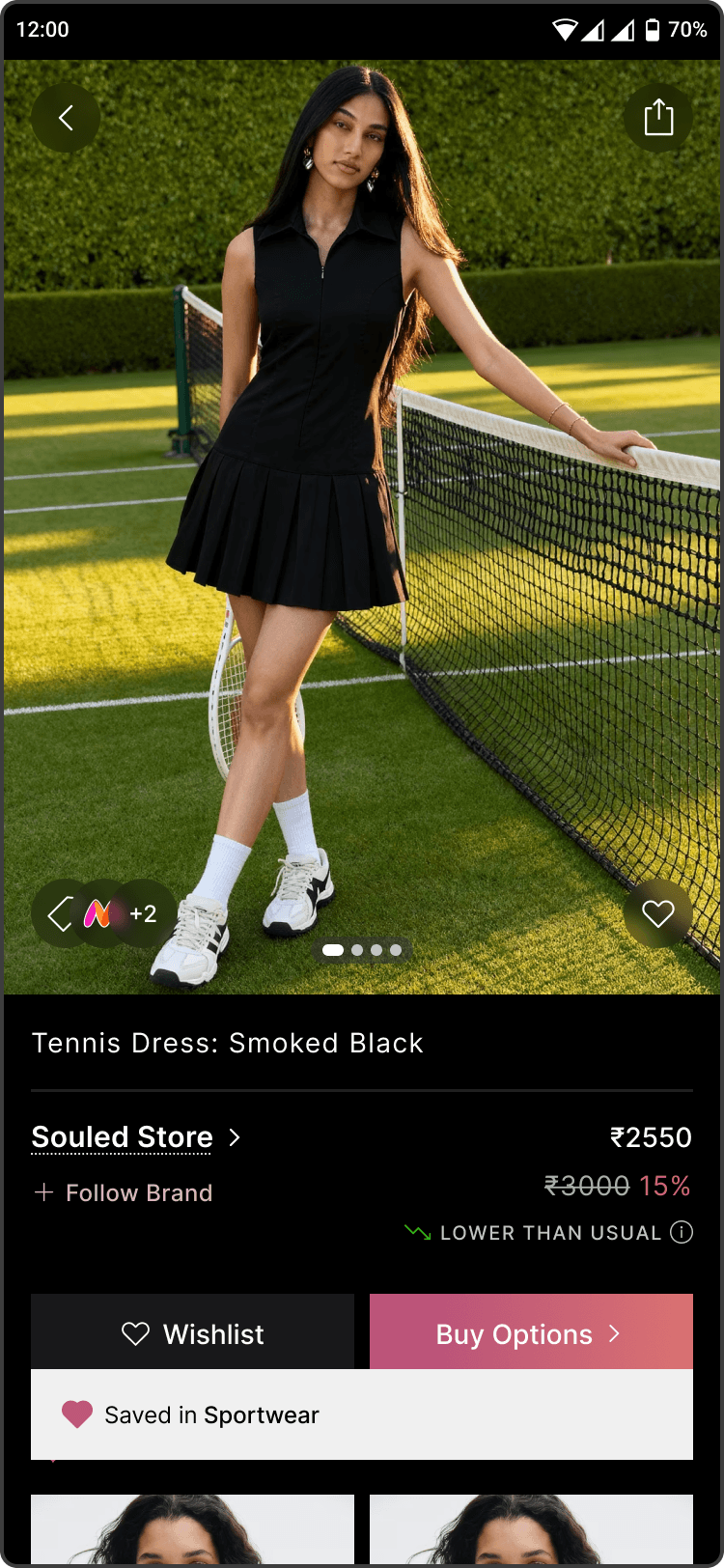
The wishlist and collections is designed to capture long-term fashion intent rather than just wishlisting. Users can organize saved items by occasions, moods, or themes, which also helps personalize discovery over time.
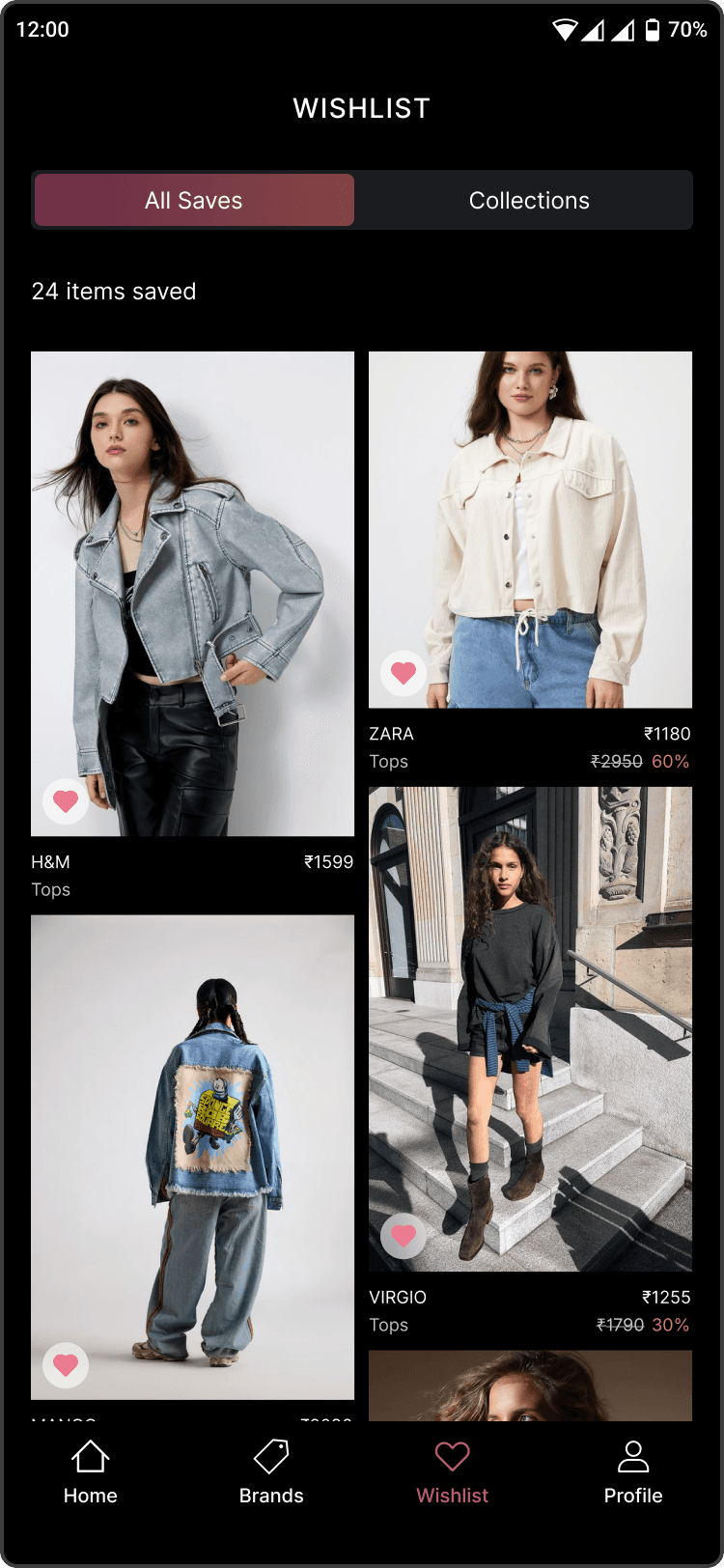
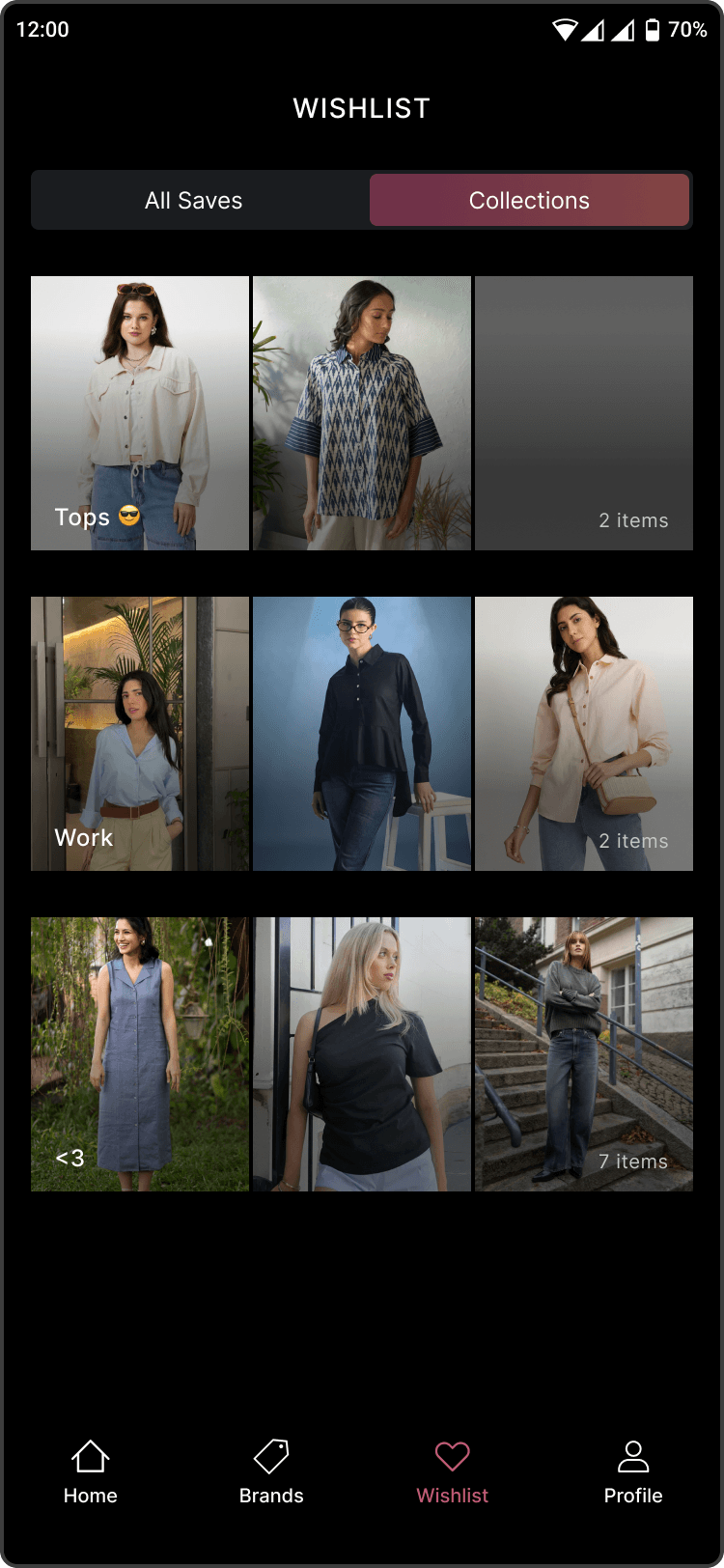
From products to complete looks
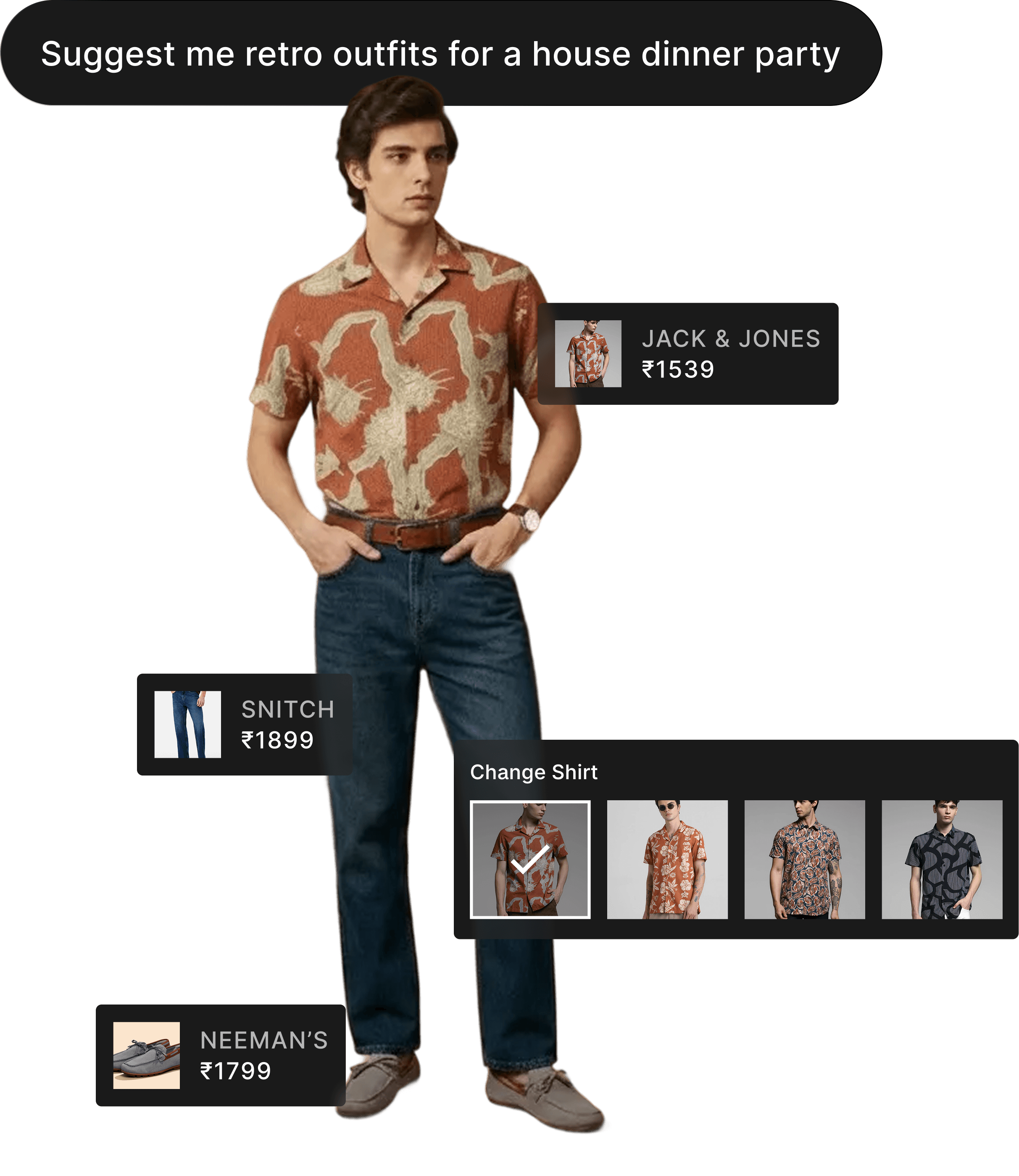
Unlocking another way of discovery by generating outfits with real products across brands and letting users to refine items in the outfit. This feature is being tested and will be updated once it's live.
Explorations beyond shipped features
Apart from the shipped work, I explored various ideas to improve the discovery. These included concepts like prompt-building filters to guide contextual search, a wardrobe feature to support deeper personalization, etc. These ideas were intentionally paused to keep the early product focused and buildable.
This work was done in the context of an early stage product navigating real constraints. While ALT’s journey was cut shorter than expected, the experience reinforced the importance of designing with clarity, restraint, and adaptability, especially when building foundations under uncertainty.